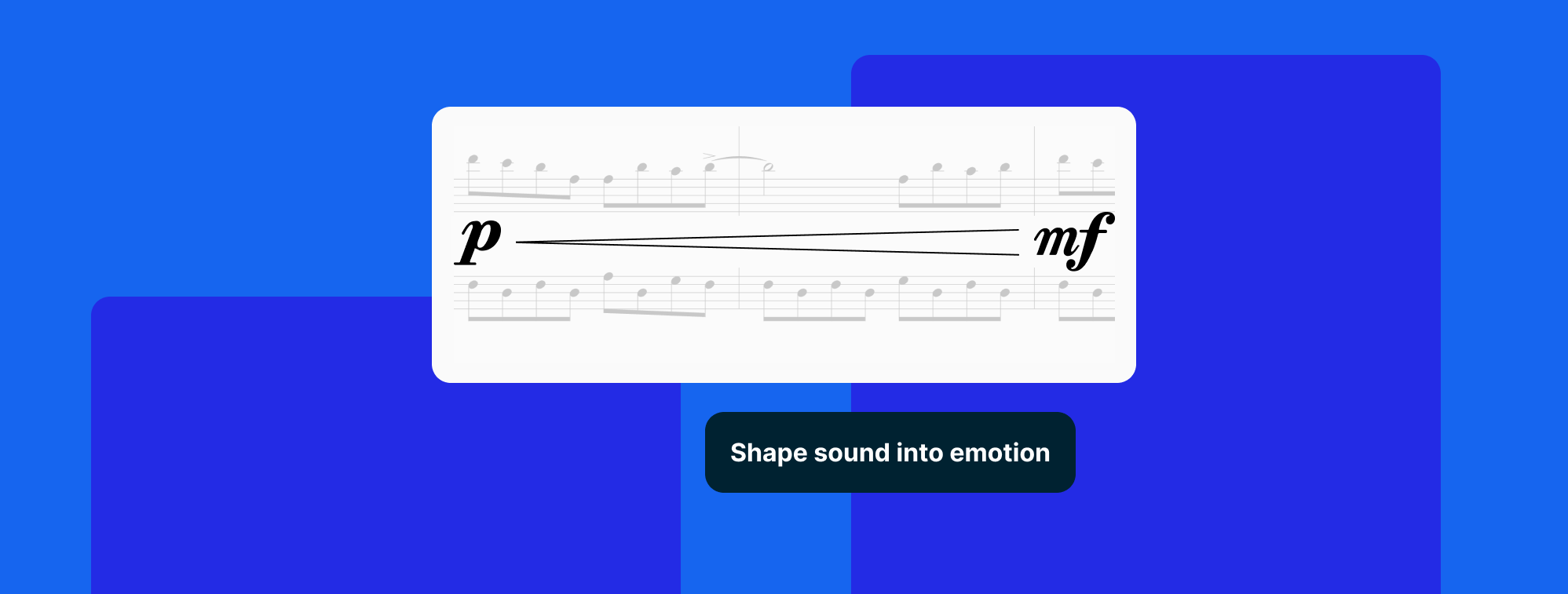
When you're learning how to write sheet music, it’s easy to focus only on the notes and rhythms. But what truly brings music to life is dynamics—the markings that tell a performer how loud or soft to play, how intensely or gently to express each phrase.
Writing sheet music isn’t just about inserting notes onto a staff. You’re creating a guide—a map—for how your music should be played. Dynamics are a crucial part of that map. They give your composition shape, contrast, and emotion. With just a few markings, you can turn a plain melody into something intimate, bold, mysterious, or full of energy.
In this article, you’ll learn how dynamics work in sheet music, how to notate them clearly, and how to use them effectively to write music that resonates. Whether you're just starting out or refining your skills, mastering dynamics is one of the most valuable music composition tips for creating expressive, memorable scores.

What Are Dynamics in Music?
In music, dynamics refer to the variations in volume or intensity throughout a piece. They tell the performer how loudly or softly to play, shaping the emotional contour and energy of the music. These instructions are usually written in Italian and appear as symbols or abbreviated terms—collectively called dynamic markings.
🎼 Common Dynamic Markings in Music
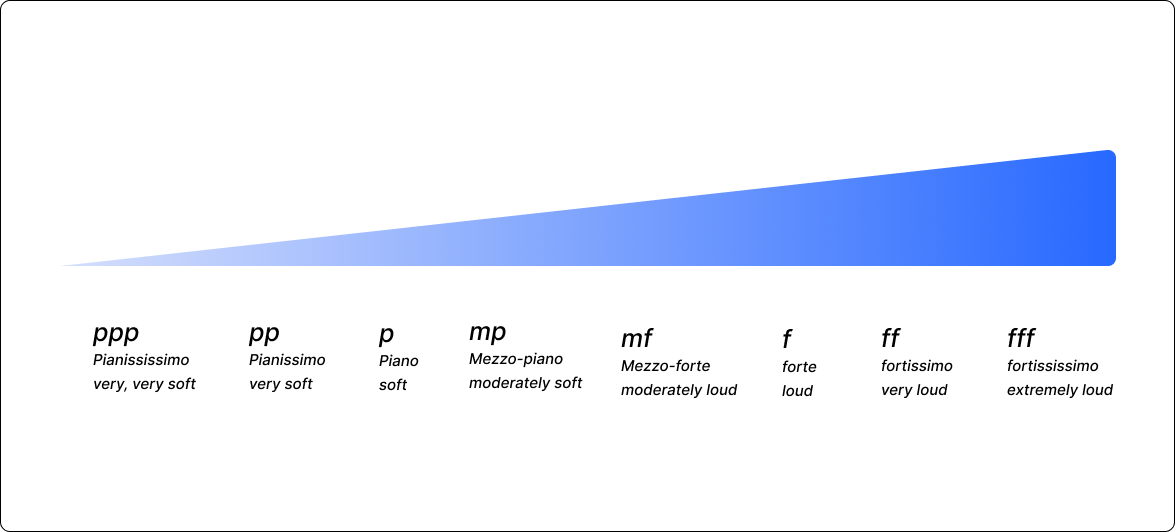
These are the most frequently used dynamic levels, listed from softest to loudest. Each one sets the tone for how a passage should feel:
- ppp – Pianississimo – very, very soft
- pp – Pianissimo – very soft
- p – Piano – soft
- mp – Mezzo-piano – moderately soft
- mf – Mezzo-forte – moderately loud
- f – Forte – loud
- ff – Fortissimo – very loud
- fff – Fortississimo – extremely loud
💥 Accent-Style Dynamics
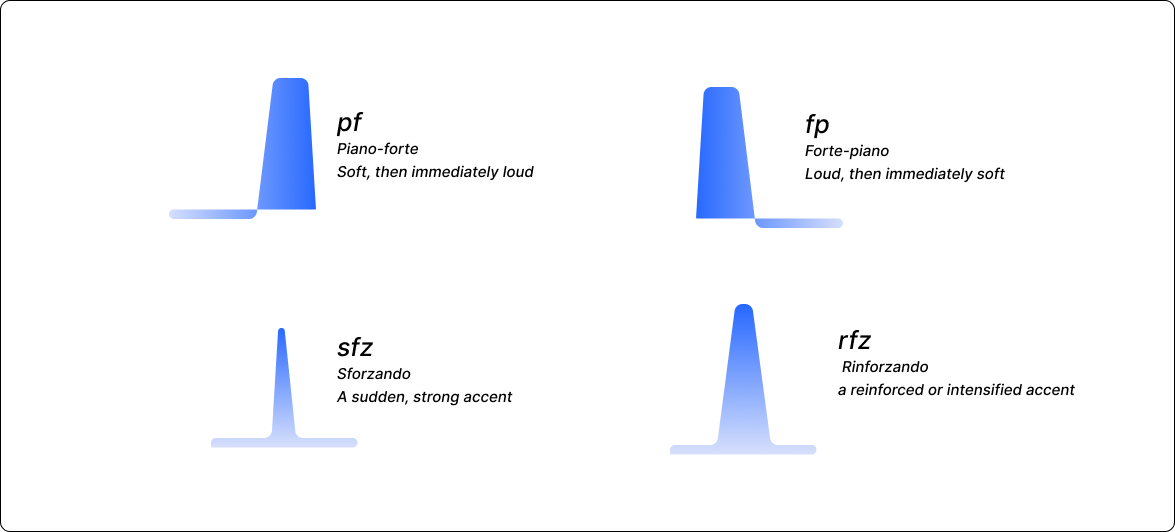
These markings don’t indicate overall volume but call for sharp, expressive emphasis—perfect for dramatic hits or sudden emotional shifts:
- pf – Piano-forte – soft, then immediately loud (less common; similar to fp)
- fp – Fortepiano – loud, then immediately soft
- sfz – Sforzando – a sudden, strong accent
- rfz – Rinforzando – a reinforced or intensified accent (broader than sfz)
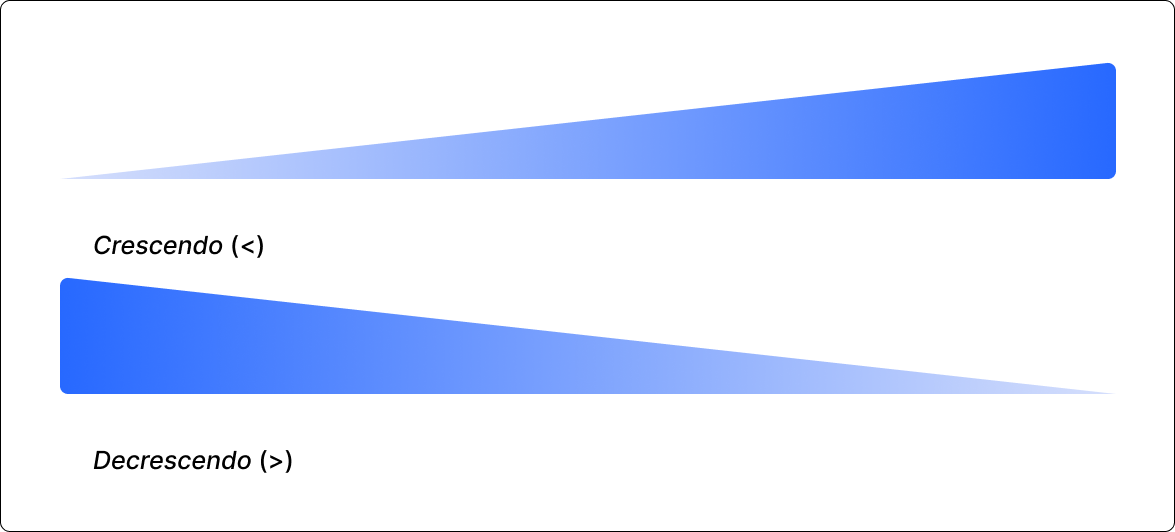
In addition to fixed levels, composers often use markings to indicate gradual changes in dynamics:
- Crescendo (cresc.) – gradually getting louder
- Decrescendo (decresc.) or Diminuendo (dim.) – gradually getting softer
These are sometimes written out, but also appear as hairpin symbols:
<for crescendo>for decrescendo
How to Add Dynamics to Sheet Music
Choose the Right Dynamic Markings
Choosing the right dynamic markings depends on what you want the music to express. Dynamics guide how a phrase is performed, so every marking should support the mood or structure of the piece.
Here are a few general tips:
- Use softer dynamics (p, pp, mp) when you want to create calm, tension, or intimacy. These are common in introductions, reflective sections, or endings.
- Use louder dynamics (f, ff, mf) to add energy, excitement, or intensity. These are often used in climaxes, choruses, or dramatic transitions.
Examples in context:
- A piano (p) marking can work well in a gentle solo piano intro or a quiet verse before a build-up.
- Mezzo-forte (mf) is useful for balanced sections that need presence but not full power.
- Forte (f) and fortissimo (ff) are effective in choruses, finales, or moments that need emotional weight.
- Use crescendo to build into a loud section and decrescendo to bring the energy down gradually.
Think of dynamics as part of your storytelling. Every loud or soft moment should feel intentional and musically meaningful.
Using Crescendos and Decrescendos
Crescendos and decrescendos are used to gradually increase or decrease volume over time. They’re not just technical instructions—they're emotional tools. A well-placed crescendo can heighten tension, while a decrescendo can ease the listener into a moment of calm or reflection.
When to Use Them
- To build anticipation before a dramatic moment
- To transition smoothly between soft and loud sections
- To shape long phrases and sustain emotional flow
Even a short swell (like a mini-crescendo into a downbeat) can add life to a phrase. Just be sure the change in volume has a clear emotional or structural purpose.
Tools for Writing Sheet Music with Dynamics
The best way to bring your dynamics to life is by using music notation software that supports dynamic markings and accurately reflects them during playback. Flat is an excellent choice—it allows you to both write and hear dynamics as part of your composition process.
How to Insert Dynamics in Flat:
- Open your score and select the note or measure where you want to apply a dynamic.
- Click the “Dynamics” toolbar.
- Choose from standard markings like p, mf, f, ff, or use hairpins for crescendos and decrescendos.
- Hit play to instantly hear how your dynamics affect the performance.
💡 Check out this tutorial for tips and tricks on how to use this feature.
Flat makes it easy to experiment with volume, contrast, and phrasing. You'll be able to refine the emotional shape of your piece while seeing—and hearing—exactly how it translates on the page.
Good Practices and Common Mistakes When Composing with Dynamics
Well-written dynamics help bring out the emotion and clarity of your music. Here are a few best practices to follow, along with common mistakes to avoid.
Good Practices
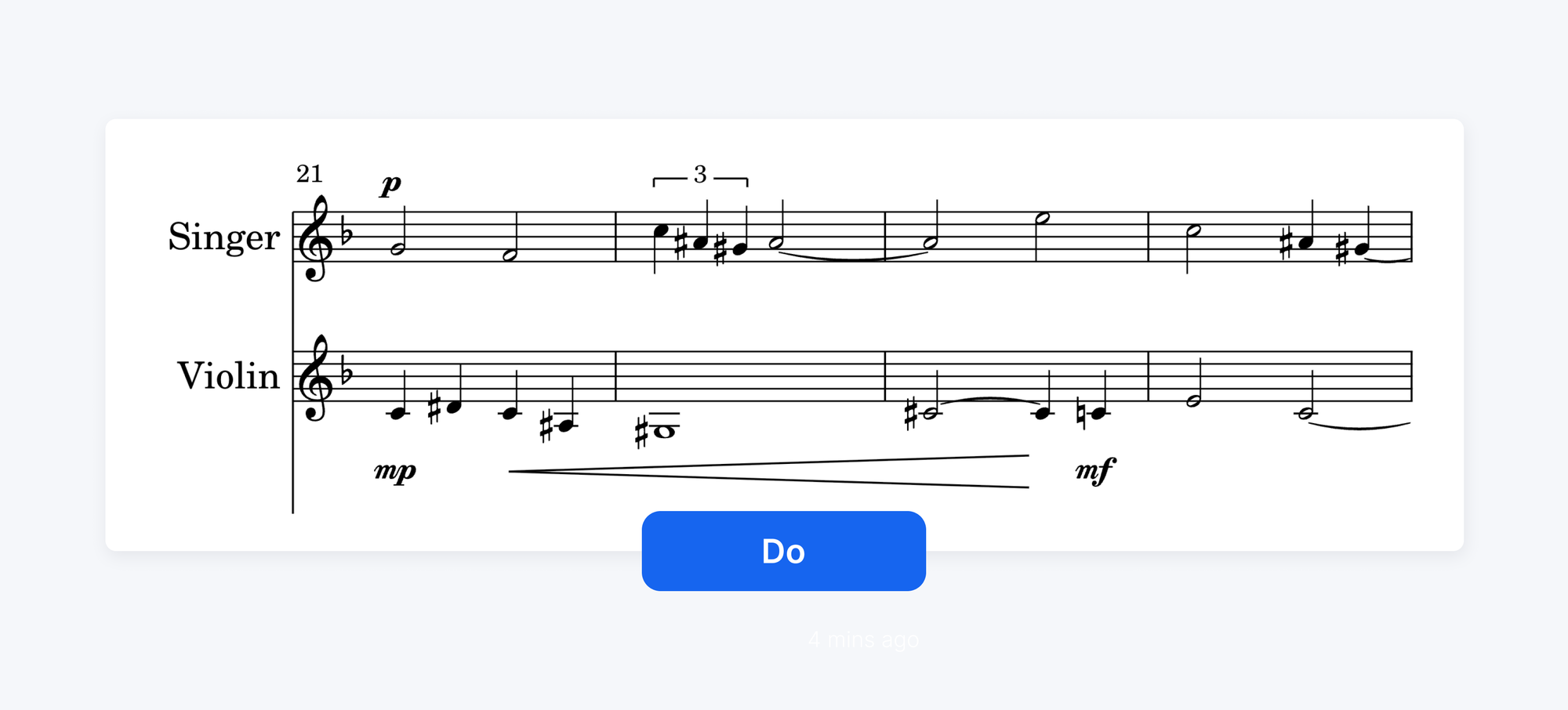
- Place dynamics below the staff for most instruments (piano, winds, strings).
- Place them above the staff in vocal parts.
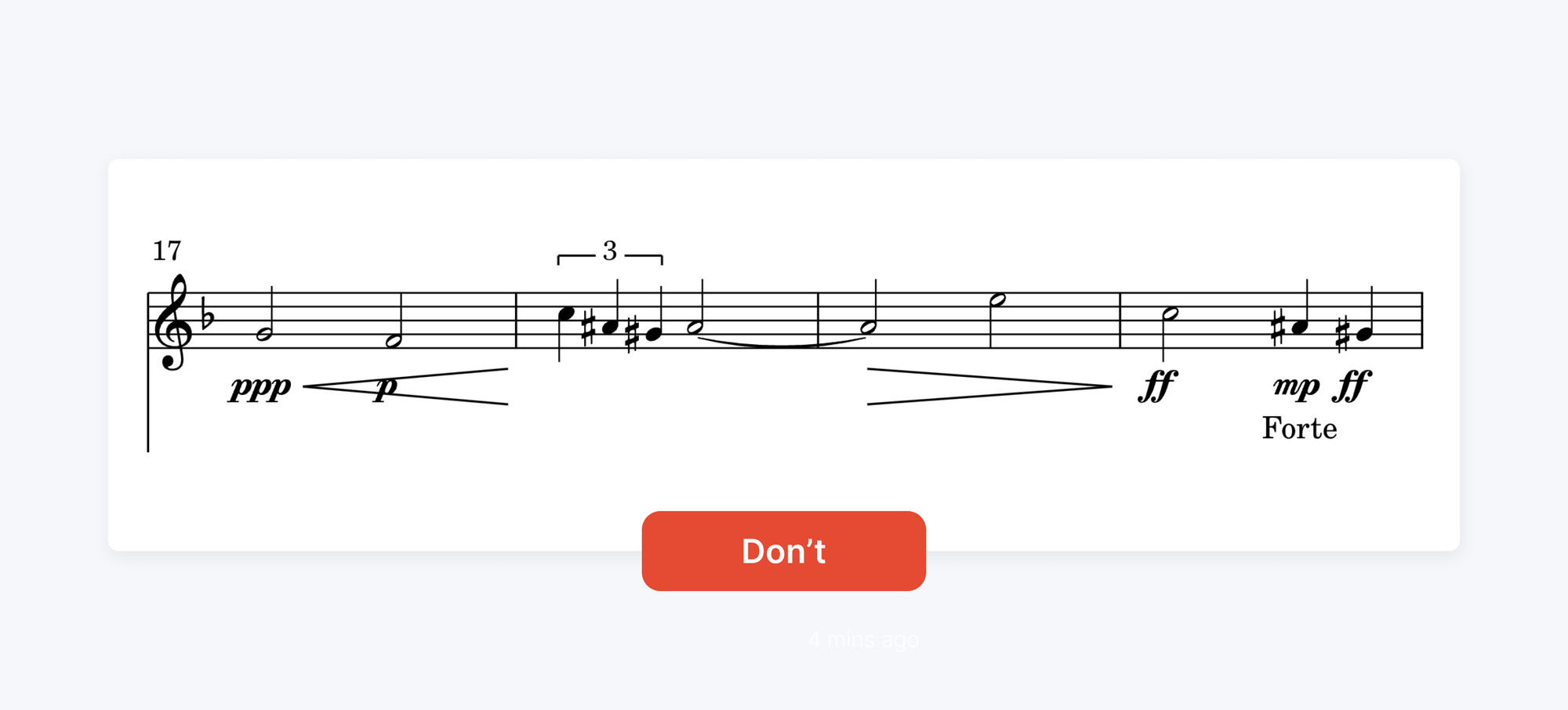
- Hairpins (<, >) should sit just below the note beams or stems and stretch clearly across the intended notes.
- Keep spacing clean—avoid placing dynamics too close to lyrics, slurs, or articulation marks.
- If combining hairpins with written dynamics (e.g., crescendo followed by mf), make sure they’re spaced properly and don’t repeat the same idea.
Common Mistakes
- Mixing markings without clarity
Using both hairpins and text-based dynamics without purpose or spacing can confuse the performer. - Overusing volume shifts
Too many changes in dynamics can feel scattered. A few intentional contrasts will have a stronger impact. - Ignoring the musical flow
Dynamics should follow the shape of your phrases. Forced swells or sudden drops can interrupt the natural expression of the music.
Good Practices and Common Mistakes When Composing with Dynamics
Example: Using Dynamics to Transform a Simple Melody
Let’s look at how dynamics can turn a simple melody into something expressive and emotionally engaging.
🎵 Without Dynamics
Let's listen to this four-measure melody written with only pitches and rhythms—no dynamics at all. When played, it sounds flat and mechanical. There’s no rise, no fall, no sense of tension or release. It communicates structure, but not emotion.
🎵 With Dynamics
Now, let’s add a few thoughtful dynamic markings:
- Start with piano (p) to give the opening a soft, delicate feel.
- Add a crescendo leading into the third measure to build energy.
- Mark the third measure forte (f) to create a sense of arrival or climax.
- Finish with a decrescendo and end on mezzo-piano (mp) for a gentle resolution.
Suddenly, the same melody feels more alive. It moves, breathes, and tells a story.
Conclusion
Dynamics are more than markings on a page—they’re the key to emotional expression in sheet music. They shape how music feels, moves, and connects with the listener. Whether it’s a gentle piano or a bold forte, the right dynamic choices can transform even the simplest melody into something expressive and memorable.
As you continue learning how to write sheet music, don’t overlook the power of dynamics. Start small, experiment, and listen to how your music changes when you shape it with volume, contrast, and phrasing.
Start adding dynamics to your next piece today—and let your music speak with emotion.