Hi everyone,
In the instrument world, the horn stands out due to its rich tone. It adds a unique and resonant sound, supporting the brass section and providing depth to the overall sound of an orchestra or ensemble. There are various types of horns, each with its own unique tuning. The most common horns include:
- F Horn: The most commonly used, this is the standard orchestral horn, tuned in the key of F. It's very versatile and therefore widely used.
- Bb Horn: Used in orchestras and concert bands, tuned in the key of Bb.
- Double Horn: This combines the Bb and F horns, offering a broader range. The double horn features a fourth valve controlled by the thumb, enabling the player to transition between the F and Bb slides.
A crucial skill for any horn player, no matter the type of horn they're playing, is proper horn fingering: this is what enables you to position your fingers on the instrument correctly in order to produce the desired notes.
In this article, we will focus on the most common horn type, the F horn. You'll see how to interpret horn fingerings, get a useful horn fingering chart, and learn how to use this notation in Flat's music notation software.
What is horn fingering?
As with other brass instruments, the horn changes its pitch through a combination of valve settings and lip/breathing techniques. Horn fingering is a visual guide that refers to how your fingers are placed on the valves to produce different notes.
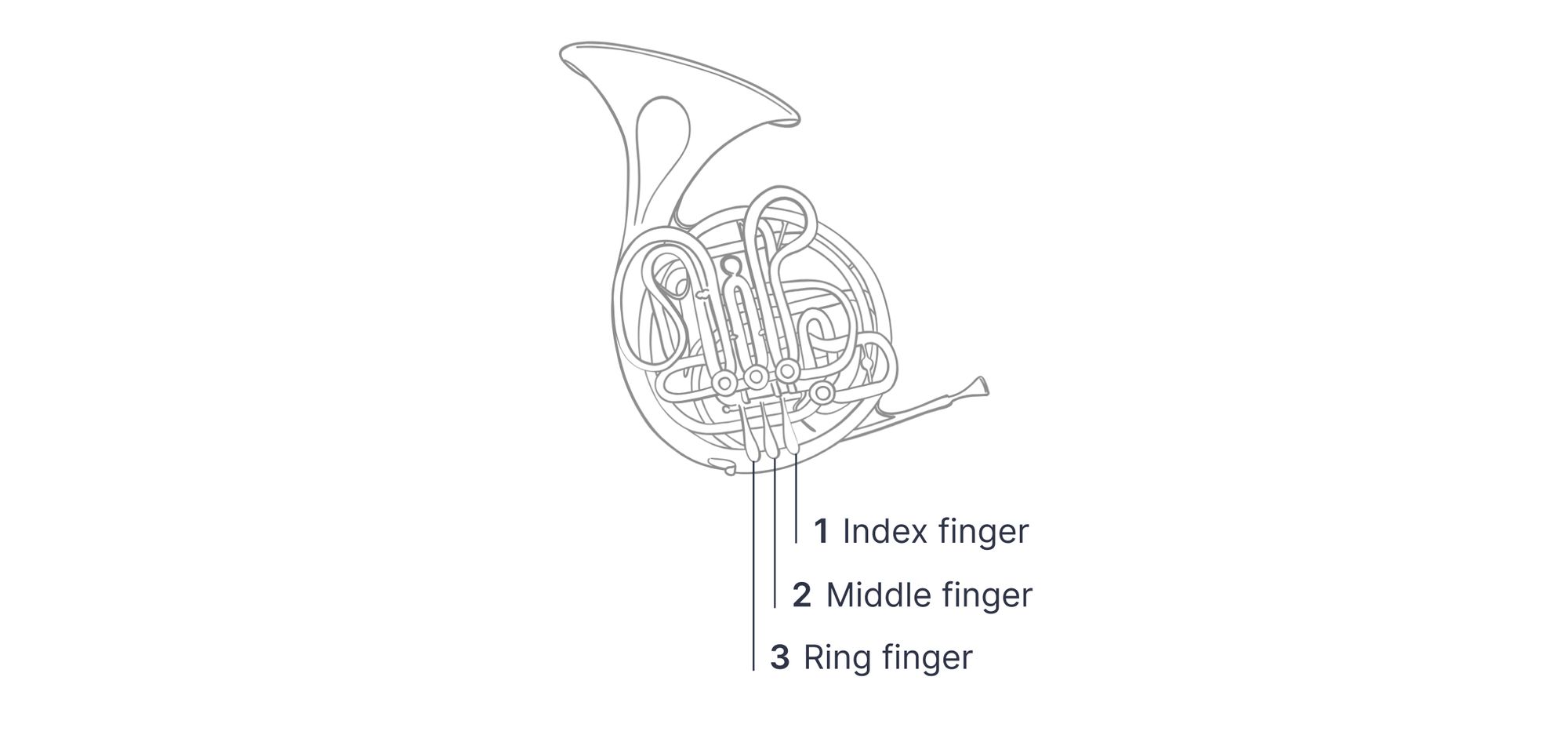
The F horn valves
The most common type of horn, the F horn, has 3 valves. You can play different notes in the chromatic scale by using various valve combinations.
F horn fingering chart
It's important to understand the fundamental F horn positions. That's why we've put together this chart featuring the F horn's key fingerings.
How to read a horn fingering chart
The fingering chart uses numbers to signal which valves you should press. The possible combinations are:
0 = no valves are pressed
1 = valve 1 is pressed
2 = valve 2 is pressed
3 = valve 3 is pressed
1 2 = valves 1 and 2 are pressed
1 3 = valves 1 and 3 are pressed
2 3 = valves 2 and 3 are pressed
1 2 3 = valves 1, 2 and 3 are pressed.
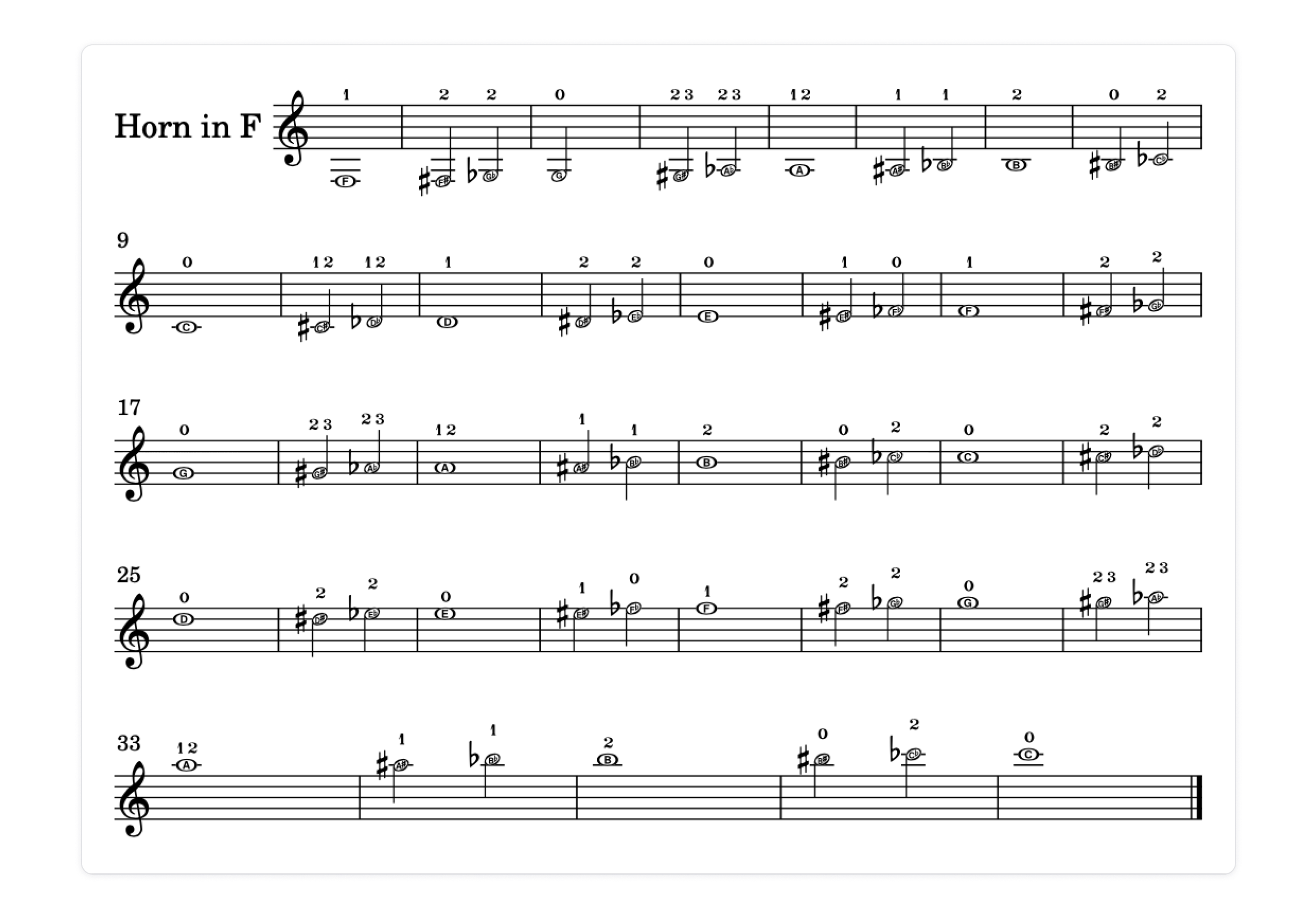
You can download the complete chart here 👇🏼
How to use F horn fingering in Flat
We've recently added the possibility to have fingerings for the F horn that are automatically synchronized with the note pitches.
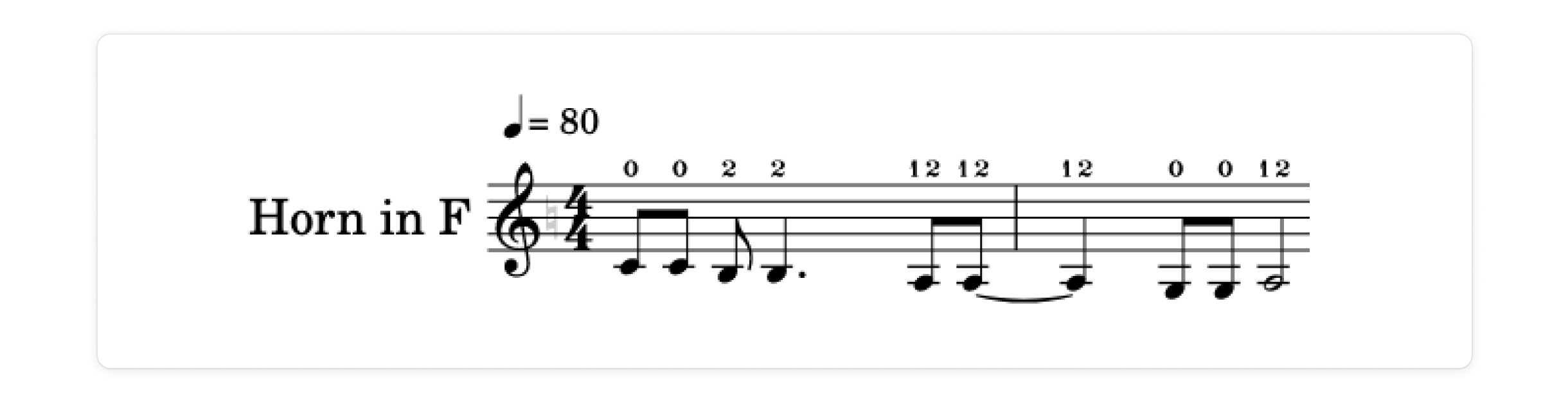
Enabling it on your score follows the same principle as for trumpet fingerings. You just need to open the instruments settings and enable the option:
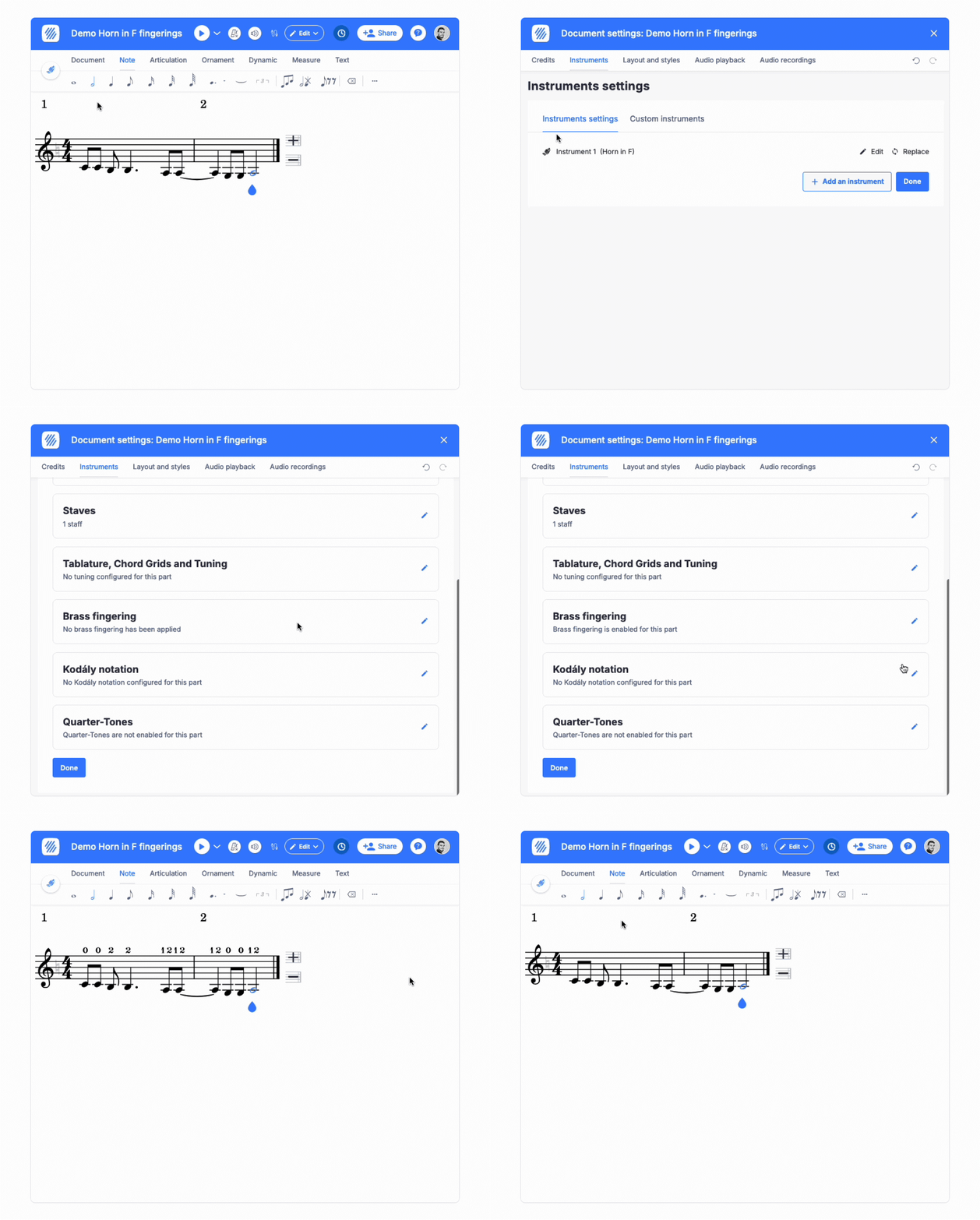
Below you can find a step-by-step tutorial on how to use this feature:
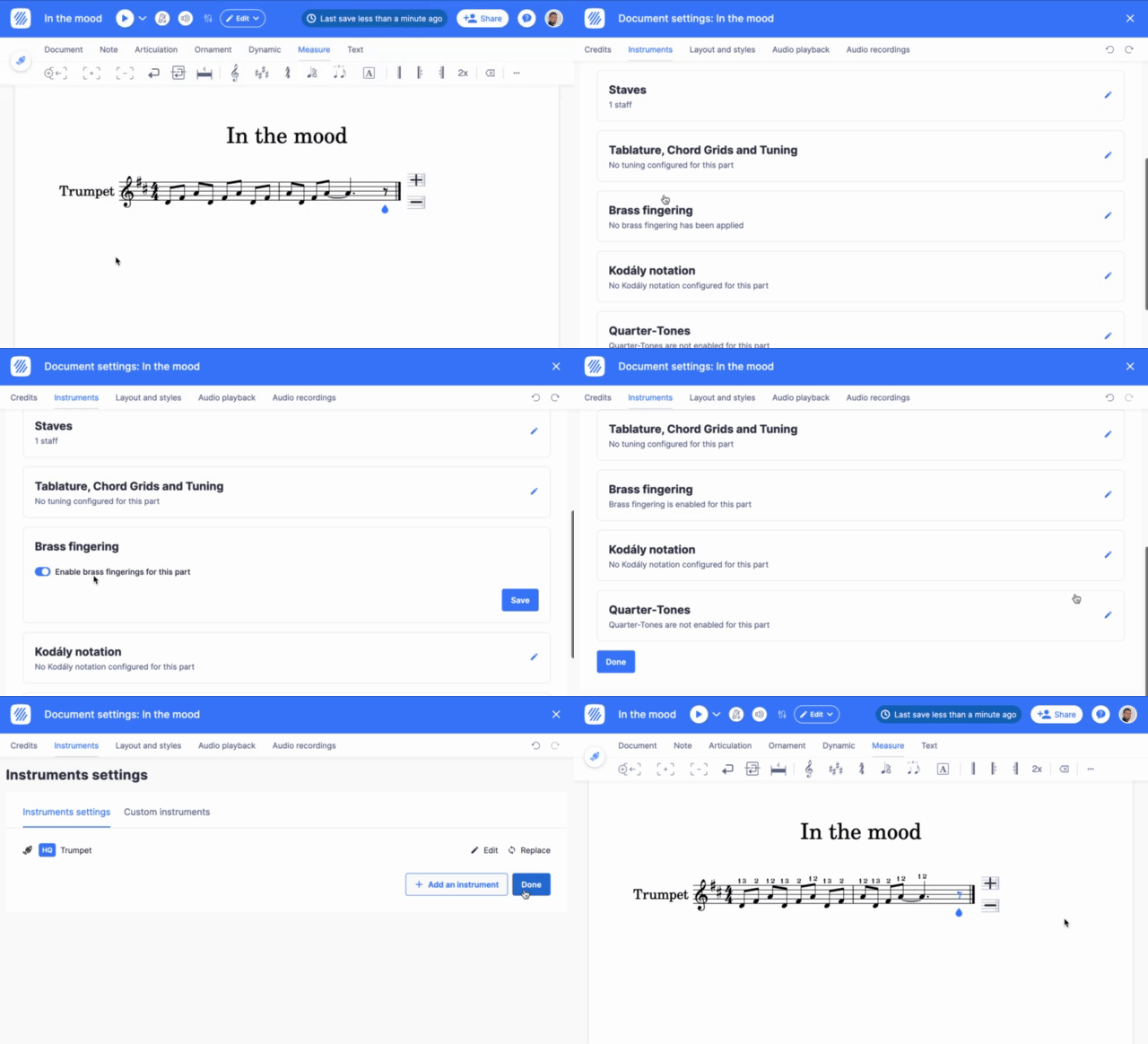
We hope this will make it easier to read and teach horn scores!
See you next time,